Storm Damage
Wind Damage vs. Hail Damage: Why Your Roof Fails Differently
Hail bruises, wind peels. Knowing which one hit your roof changes the inspection, the claim and the repair. Here is how to tell them apart from the ground.
By Taylor Smith · · 5 min read
Out here a single storm often delivers both, but they damage a roof in completely different ways — and insurance treats them differently too.
What hail does
Hail is an impact event. It knocks granules loose and bruises the asphalt mat underneath, usually in a random scatter across every slope. Damage is uniform in size and shows up on soft metals first.
What wind does
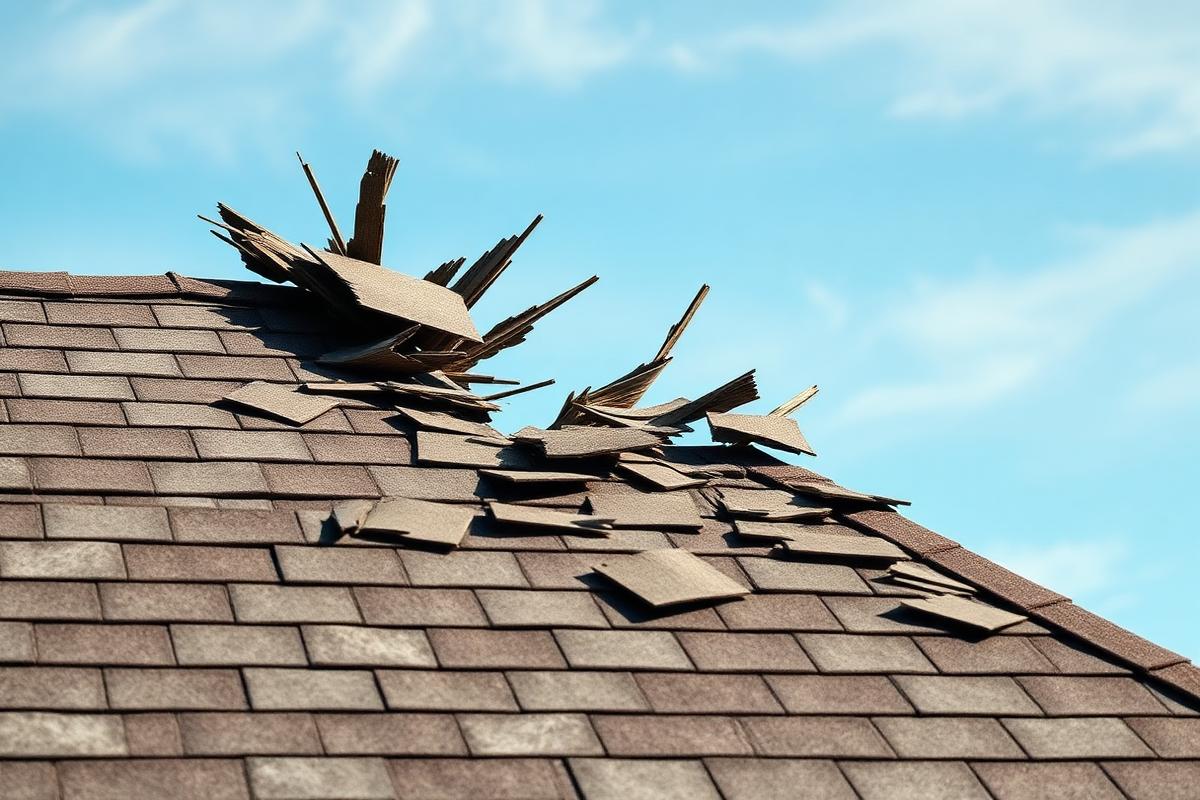
Wind is a leverage event. It gets under the leading edge of a shingle, breaks the sealant strip, and folds the tab back. Once the seal breaks, that shingle never re-seals properly — even if it lies flat again.
Telling them apart from the driveway
- Damage concentrated on one side of the house, usually south or west: wind.
- Damage on all slopes including the north side: hail.
- Missing shingles in a line along the ridge or rake edge: wind.
- Dented gutters and vent caps: hail.
Why it matters for your claim
Wind claims often hinge on proving the seal is broken, which requires a hands-on lift test. Hail claims hinge on impact counts inside a marked test square. An inspector who only does one of the two will miss half of what your policy would have paid for.
What to do this week
Photograph everything at ground level, note the storm date, and get a documented inspection that covers both failure modes. Broken seals do not heal, and the next 60 mph gust finds them.