Maintenance
What 105-Degree Summers Do to a Shingle Roof
Thermal cycling, blistering and premature aging — how Panhandle summers shorten roof life and the two upgrades that fight back.
By Taylor Smith · · 5 min read
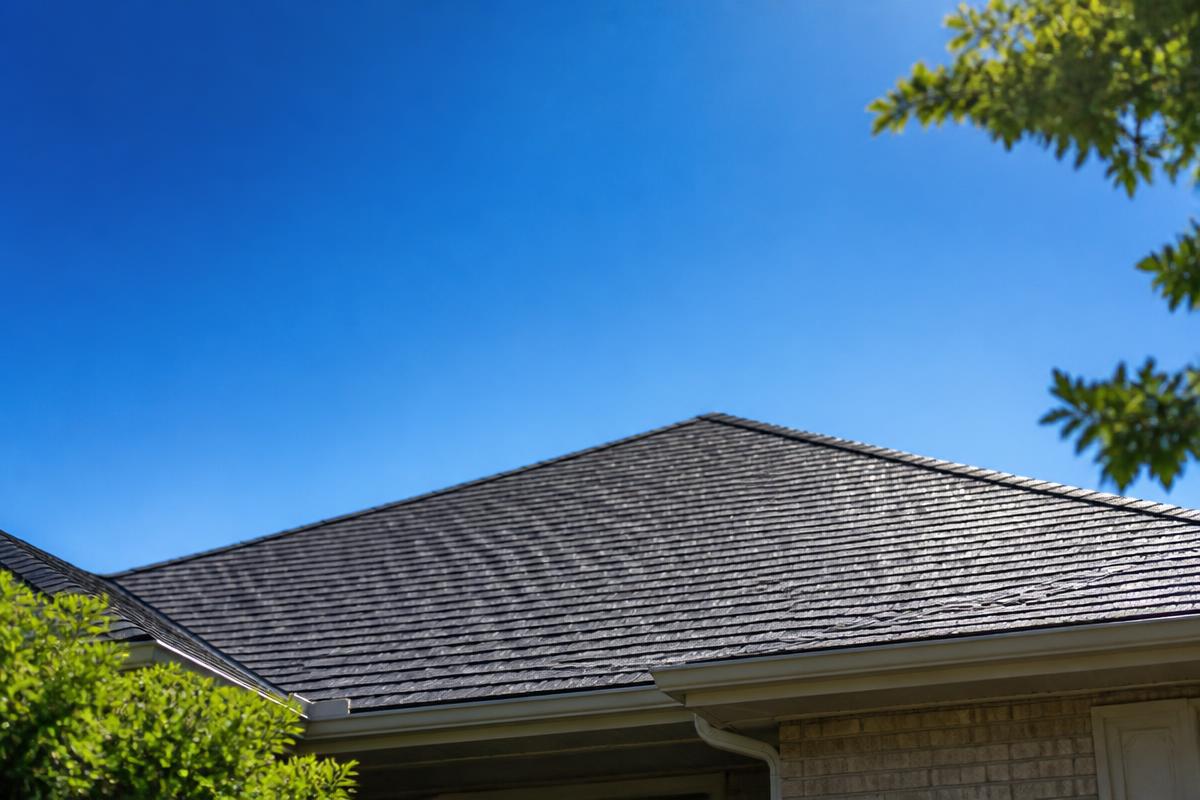
Hail gets the headlines. Heat quietly does more cumulative damage.
Deck temperatures
On a 100-degree afternoon, a dark shingle surface reaches 160–170 degrees and the deck underneath is not far behind. Poor ventilation adds another 20.
Thermal cycling
Shingles expand all day and contract all night, every day, for two decades. That movement works nails loose, opens sealant joints, and cracks aging asphalt. It is why nail pops appear on south slopes first.
Blistering
Trapped moisture in the asphalt mat expands and pops the surface, taking granules with it. Blisters look like small craters and accelerate everything else.
Two upgrades that help
- Balanced ventilation. Continuous soffit intake matched to ridge exhaust. Cheap, and it moves deck temperatures meaningfully.
- Lighter or reflective granules. A weathered-wood or lighter gray shingle runs cooler than charcoal on an unshaded slope, with no cost difference.
Time your work
Shingles are fragile when hot. Crews here start early and finish the steep, sun-facing slopes before mid-afternoon — walking a 165-degree slope scuffs granules off a brand-new roof.