Materials
Ridge Vents, Turbines, Box Vents: Which Actually Works
A straight comparison of exhaust vent types, why mixing them backfires, and how to size intake correctly.
By Taylor Smith · · 5 min read
Ventilation is the cheapest upgrade with the biggest effect on roof life. It is also the most commonly botched.
Exhaust options
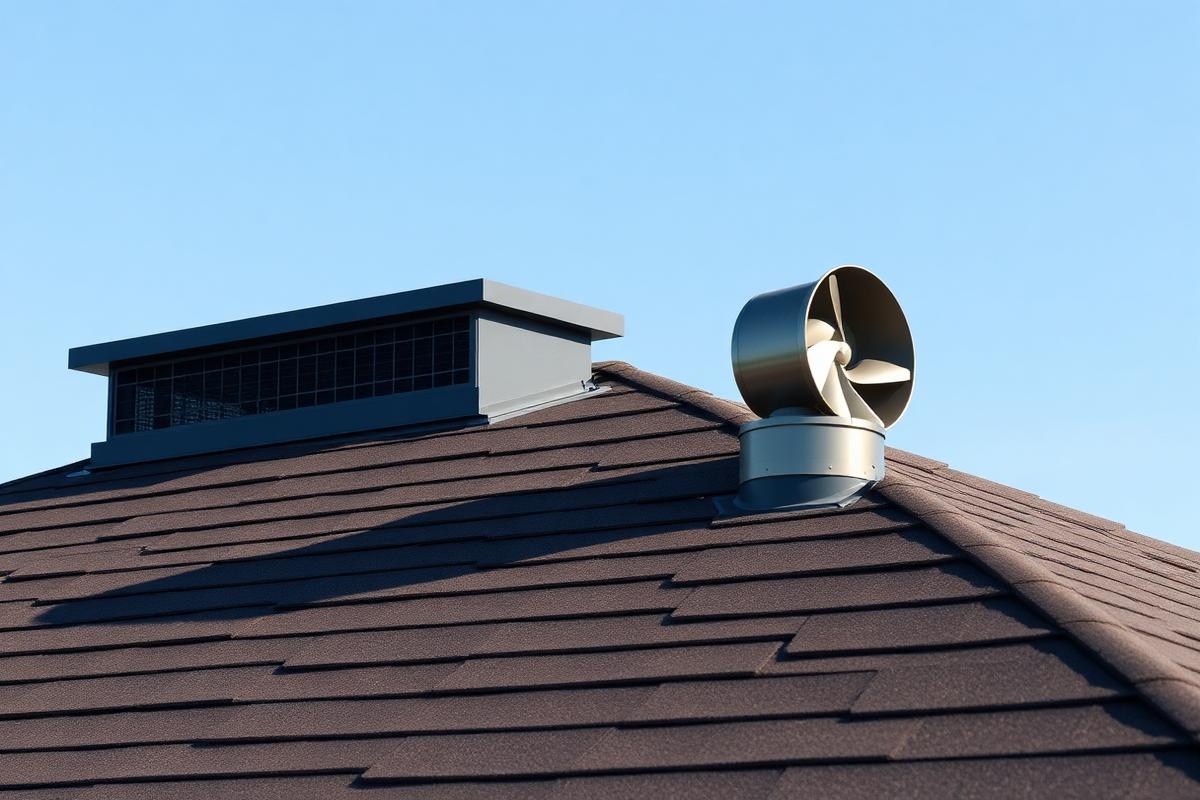
- Ridge vent: continuous, even, no moving parts. The default when the ridge is long enough.
- Box (static) vents: effective and inexpensive, but you need enough of them and they only ventilate near their own location.
- Turbines: move real air when there is wind, which here is often. Bearings eventually fail and squeak.
- Powered vents: effective and can depressurize the attic if intake is inadequate, pulling conditioned air out of the house. Use with care.
Do not mix exhaust types
A ridge vent plus turbines on the same attic short-circuits the airflow: the ridge pulls air from the nearby turbine instead of from the soffits, and the far end of the attic never ventilates.
Intake is the half everyone forgets
Exhaust cannot exceed intake. Target roughly 1 square foot of net free area per 300 square feet of attic floor, split about evenly between intake and exhaust, with intake at the eaves. If soffits are blocked or painted shut, no exhaust vent works.
Verify it
On a hot afternoon, an attic should be perhaps 15–20 degrees above outdoor temperature. Forty degrees above means the system is not working, regardless of what is on the roof.