Maintenance
A Season-by-Season Roof Maintenance Checklist for Panhandle Homes
What to check on your roof each season in the Texas Panhandle and Eastern New Mexico — a simple maintenance routine that adds years of service life.
By Taylor Smith · · 6 min read
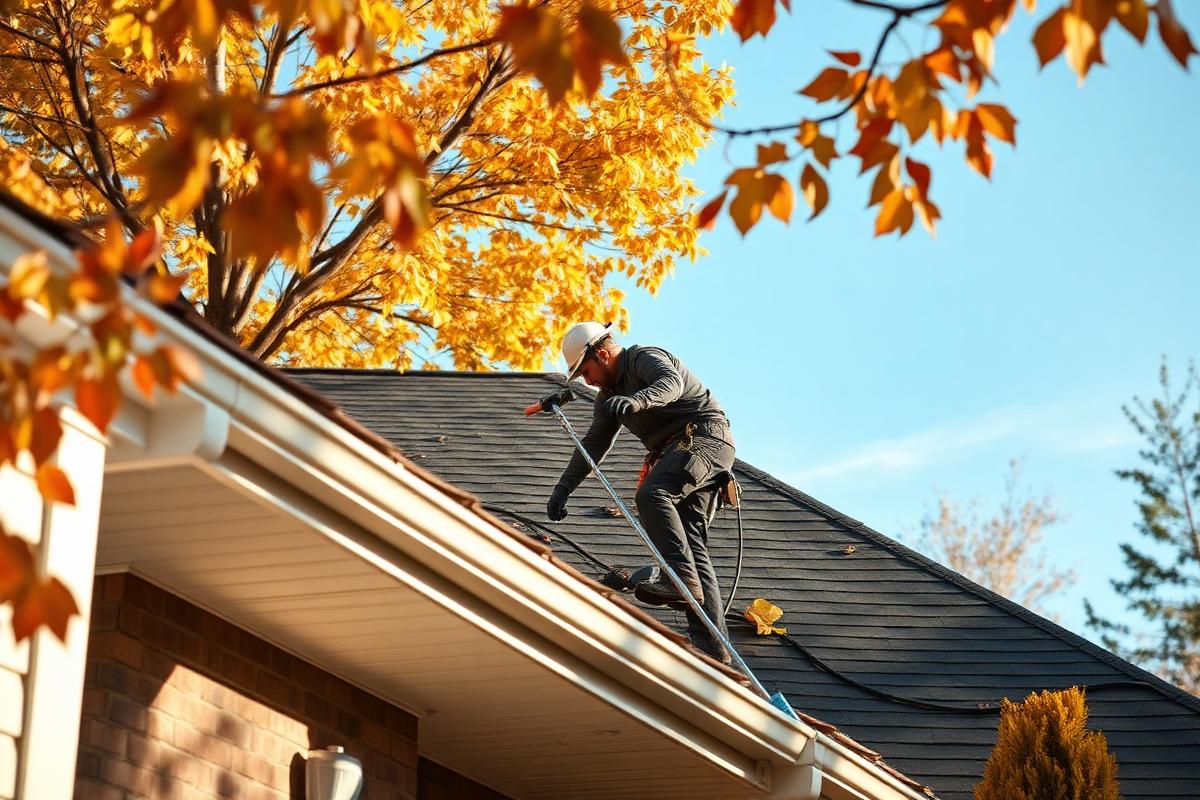
Roofs rarely fail all at once. They fail at the details — a cracked pipe boot, shrunken sealant, a ridge vent loosened by wind. Twenty minutes a season catches nearly all of it while it's cheap.
Spring: the important one
Severe weather season runs March through June here, so spring maintenance is preventative and a baseline for any future claim.
- Clear gutters and downspouts completely, then run water through them
- Check pipe boots for cracking — rubber boots typically fail around year 8–10
- Look for lifted or missing shingles along ridges and rakes after winter wind
- Trim branches back at least ten feet from the roof plane
- Photograph each slope from the ground and date the photos
That last item takes two minutes and is genuinely valuable. Dated pre-storm photos make it much easier to show an adjuster what the storm did versus what was already there.
Summer: heat and ventilation
- Check that soffit vents aren't blocked by insulation — intake is what makes exhaust work
- Feel your attic on a hot afternoon; if it's far above outdoor temperature, ventilation is inadequate
- Inspect sealant at flashing joints, which shrink and crack under UV
- Look for shingle blistering or cupping on the south and west slopes
Fall: get ahead of winter
- Clean gutters again after leaf drop
- Verify flashing at chimneys, skylights and wall intersections is tight
- Check the attic for daylight and any staining on the underside of the deck
- Confirm exhaust vents from bath fans and dryers actually exit the roof, not the attic
Winter: watch from the inside
- After each freeze-thaw cycle, scan ceilings and closet corners for new stains
- Look for ice buildup at eaves — a ventilation problem, not a gutter problem
- Never chip ice off shingles; you'll take the granules with it
- Check the attic after heavy snow melt for damp insulation
What to leave to a professional
Anything requiring you to walk the roof. Steep slopes, wet or frosted surfaces, and hot asphalt in July are all genuinely dangerous, and walking a shingle roof incorrectly causes damage. Ground-level checks plus one annual professional inspection covers the whole job safely.