Materials
Flashing 101: Where Roofs Really Leak
Step, counter, apron, valley and kickout flashing — what each one does and which failures cause the most expensive damage.
By Taylor Smith · · 6 min read
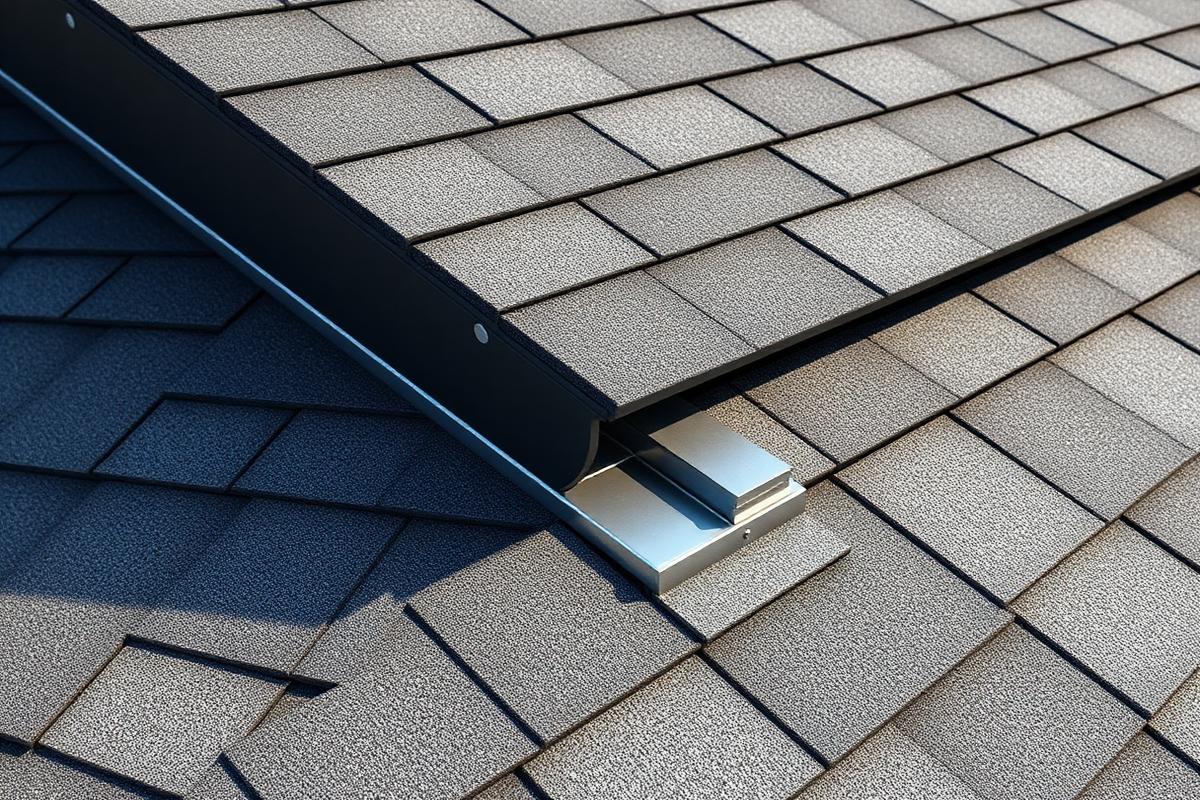
Shingles cover the easy part of a roof. Flashing handles everywhere the roof stops being simple, which is where nearly all leaks happen.
Step flashing
Individual L-shaped pieces woven into each course where a slope meets a wall. Continuous flashing used in this location instead of step is a defect, no matter how much sealant is on it.
Counterflashing
The upper layer, set into masonry, that covers the top of the step flashing. Surface-mounted counterflashing held by caulk is a temporary condition sold as permanent.
Apron and head flashing
Diverts water at the base and top of penetrations and dormers. Undersized aprons cause the stains you see over garage doors.
Valley flashing
Open metal valleys or closed-cut shingle valleys — both work when built right. What does not work is a valley without ice-and-water membrane underneath. Valleys carry the most water on the entire roof.
Kickout flashing
The small diverter where a roof edge meets a wall that continues past it. Missing kickouts dump water directly into the wall cavity, and the damage shows up as rotted sheathing and mold long before anything drips inside. This is the single most expensive missing part we find.
The rule
Flashing is replaced during a re-roof, not reused. If a bid says "reuse existing flashing," ask why.