Commercial
Roof Coating vs. Full Replacement for Commercial Buildings
Restoration coatings can add a decade for a fraction of tear-off cost — when the substrate qualifies. How to know if yours does.
By Taylor Smith · · 6 min read
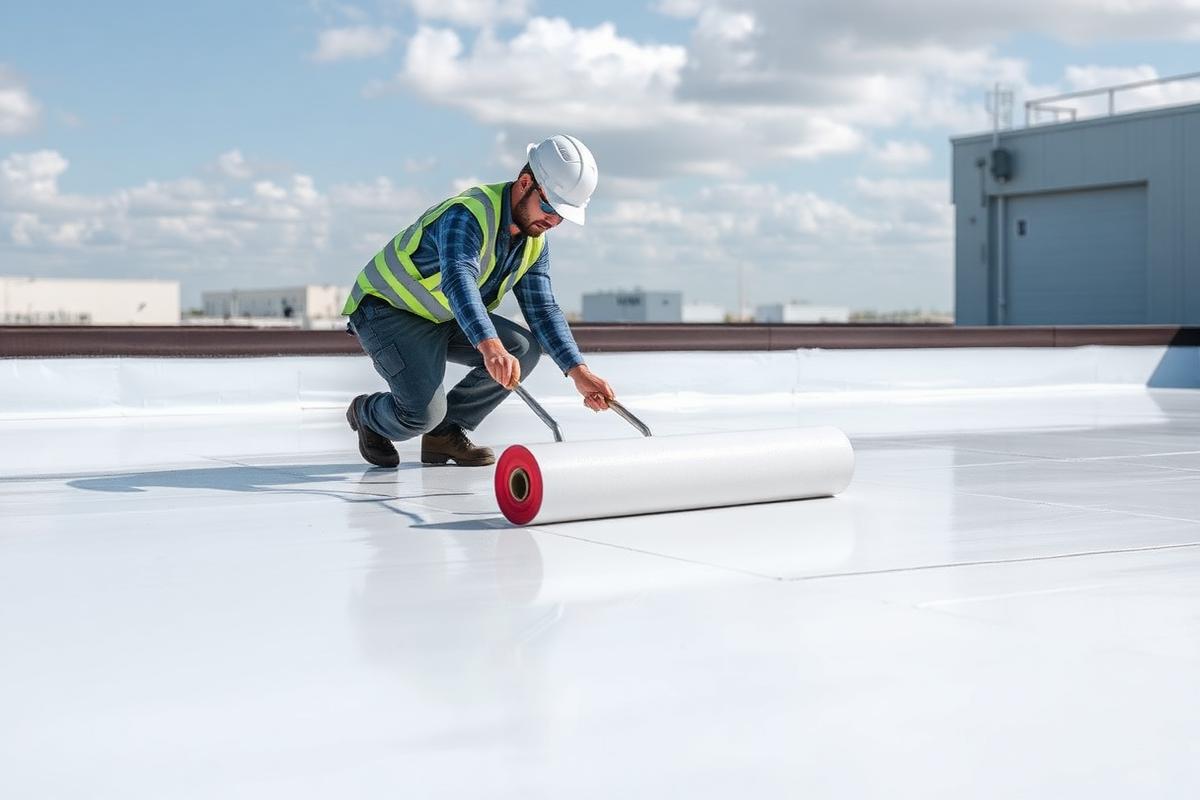
Coating a sound roof is smart asset management. Coating a wet roof is burying a problem under warranty paperwork.
When coating makes sense
- Membrane is intact with surface-level weathering.
- Moisture survey shows dry insulation.
- Seams and penetrations can be reinforced and detailed.
- Drainage works — no chronic ponding.
When it does not
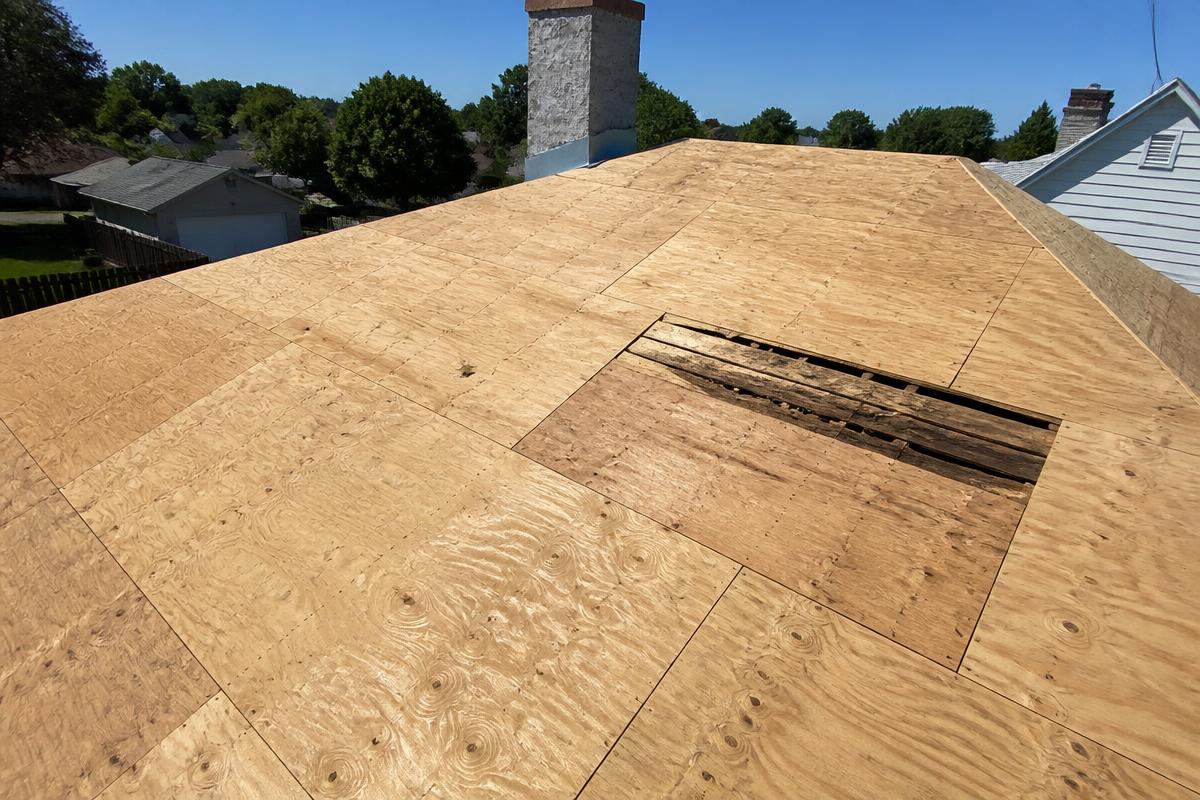
Wet insulation, widespread seam failure, or a roof already carrying two systems. Coating traps the moisture, the insulation loses R-value permanently, and the deck corrodes underneath while the surface looks fine.
Get a moisture survey first
Infrared or capacitance scanning maps wet areas. Cut out and replace those sections, then coat. Skipping the survey is the single most common reason a restoration fails early.
Coating types
Silicone excels on ponding-prone roofs and holds up to UV. Acrylic is cost-effective where drainage is good. Both need the substrate cleaned and primed properly — the prep is the job.
The business case
Restoration typically runs 30–50% of replacement, is often capitalized differently for tax purposes, and avoids tenant disruption and tear-off. Ask your accountant about the treatment before you decide, and get the manufacturer's warranty in writing with the installer's name on it.