Maintenance
Chimney Flashing: The Most Common Leak on Any Roof
Caulk is not flashing. How chimney leaks actually happen, what a correct repair looks like, and why crickets matter on wide chimneys.
By Taylor Smith · · 5 min read
If we had to guess the source of a leak sight unseen, we would say chimney and be right more often than not.
How it should be built
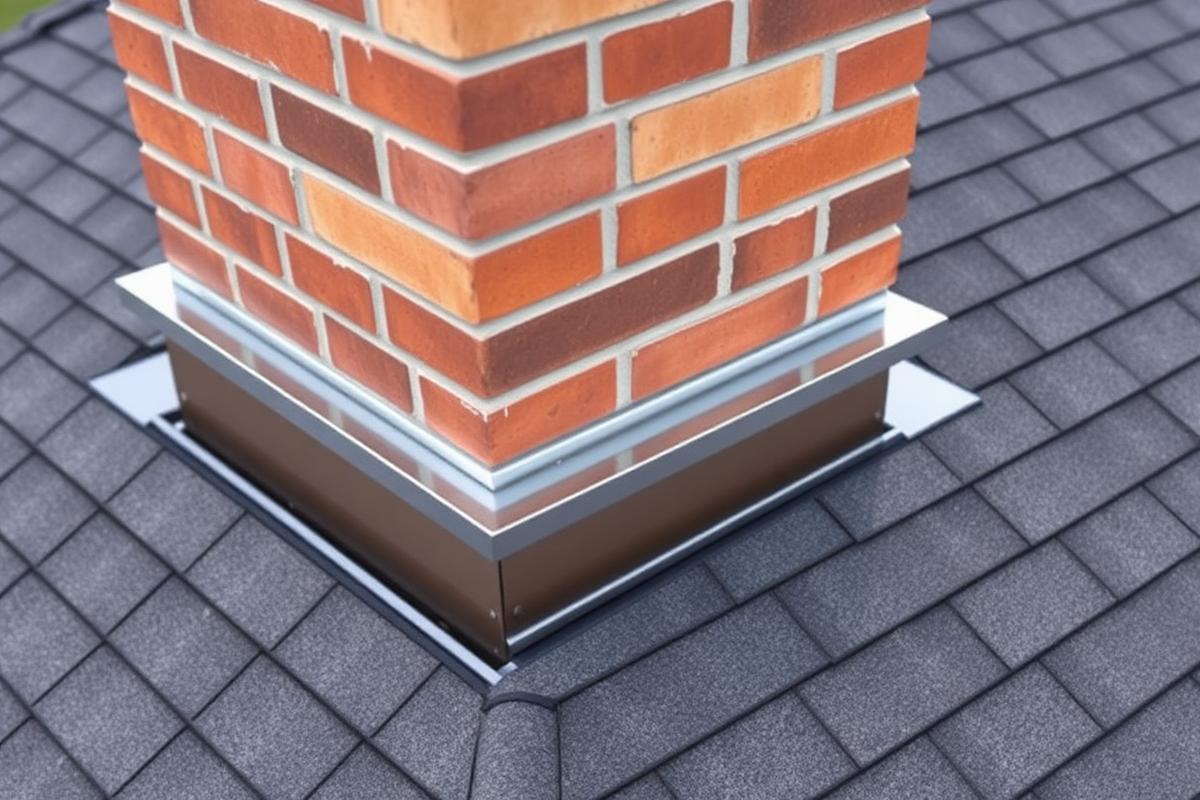
Two layers. Step flashing woven into each shingle course against the masonry, then counterflashing let into a cut groove in the mortar and folded down over the step flashing. Water has no path in.
How it usually is
Surface-mounted metal held on with sealant, or worse, roofing cement smeared into the joint. Sealant is a five-year material on a thirty-year assembly. When it cracks, water runs behind the flashing and into the framing.
The cricket
Any chimney wider than 30 inches needs a small saddle roof on the uphill side to divert water around it. Without one, debris and water pond against the masonry and eventually find a way through. Code requires it; plenty of older roofs do not have it.
Masonry matters too
Deteriorated mortar joints and unsealed brick absorb water directly. A crown crack at the top lets water down inside the chase, which shows up on the ceiling and looks exactly like a roof leak.
The right repair
New step and counterflashing, reglet cut into the mortar, cricket if the width calls for it, and tuckpointing where needed. Anything less is a temporary fix priced like a permanent one.