Materials
The Best Roofing Materials for West Texas and Eastern New Mexico
Class 4 shingles, standing seam metal, stone-coated steel and TPO compared for hail resistance, heat performance and real cost in the Panhandle climate.
By Taylor Smith · · 8 min read
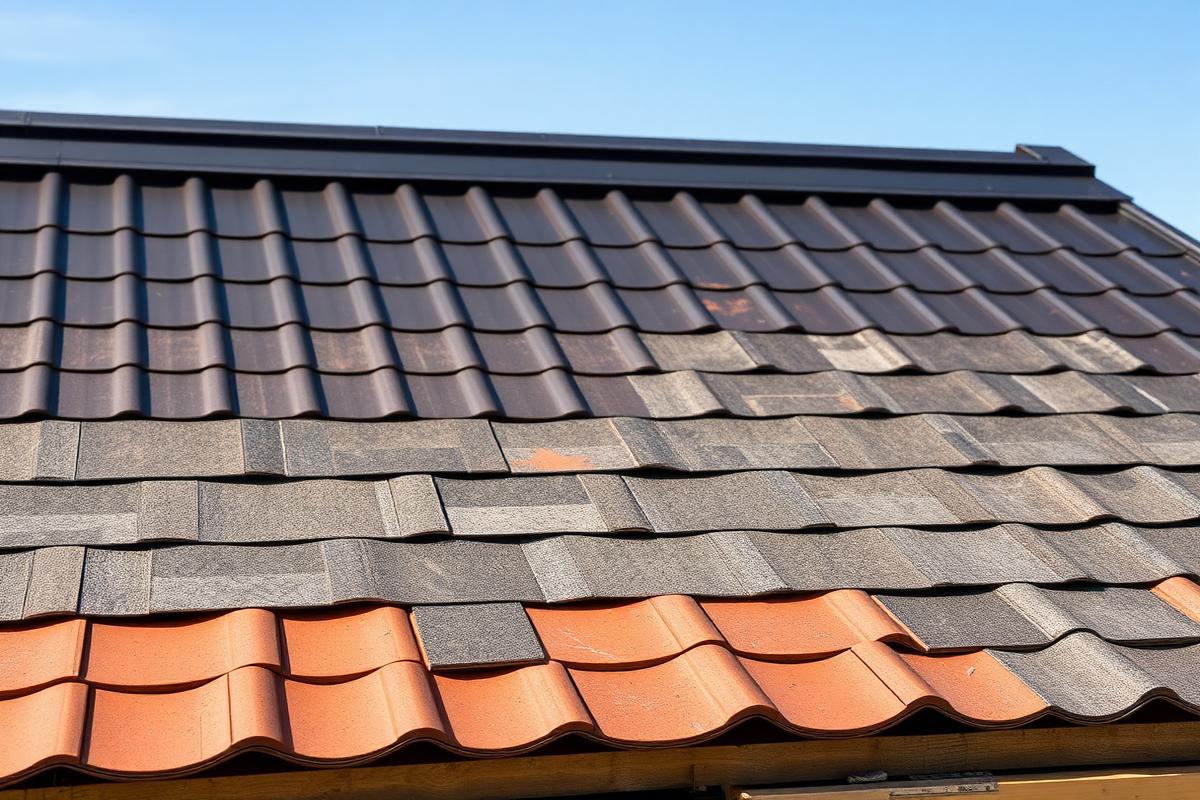
National roofing advice is written for a climate none of us live in. Out here the roof fights hail, 60+ mph wind, UV at 3,500 feet, and a daily temperature swing that can cross 40 degrees. Here's how the common options actually hold up.
Class 4 impact-resistant architectural shingles
The default recommendation for most homes, and for good reason. Class 4 is the top UL 2218 impact rating — a two-inch steel ball dropped twice on the same spot without cracking the mat. The polymer-modified asphalt stays flexible in cold, which matters more than people expect during a February hailstorm.
Expect 25–30 years here. Many carriers discount premiums for Class 4, which can quietly pay back a chunk of the upgrade over the roof's life. Ask your agent for the actual number before you decide.
Standing seam metal
The long-term winner if the budget allows. No exposed fasteners means nothing backs out under thermal cycling, panels shed wind loads cleanly, and reflective finishes cut attic temperatures noticeably in July. Service life runs 40–50 years.
The honest caveat: large hail can leave cosmetic dents in lighter gauges. Function is almost never affected, but if a flawless surface matters to you, go heavier gauge or choose a striated profile that hides minor denting.
Stone-coated steel
An underrated middle path. You get metal's structural durability with a textured granular surface that hides hail dimples and reads like tile or shake from the street. It handles wind exceptionally well and carries Class 4 ratings. Costs less than standing seam, lasts far longer than asphalt.
TPO and EPDM for flat sections
For low-slope residential sections and commercial buildings, reflective TPO is usually the pick in this climate — the white surface pushes back a real amount of cooling load on a large footprint. EPDM stays more flexible and is easier to detail around complex penetrations. Either way, 60-mil minimum, and fix the drainage before you re-cover.
What we'd skip out here
- Three-tab shingles. The cheapest option today and the most expensive over ten years. They shed in high wind and have no meaningful impact resistance.
- Wood shake. Beautiful, high maintenance, and a hard conversation with your insurer.
- Thin exposed-fastener panels on homes. Fine for a barn. On a house, the hundreds of gasketed screws become hundreds of future leak points.
The part nobody upsells
Materials matter less than the details underneath: synthetic underlayment, ice-and-water in valleys and around penetrations, correct nailing pattern for the wind zone, and balanced intake-to-exhaust ventilation. A premium shingle installed over the wrong nailing pattern will fail before a mid-grade shingle installed correctly.